
Financial Management for Single Fathers
By Samantha Grace Santos
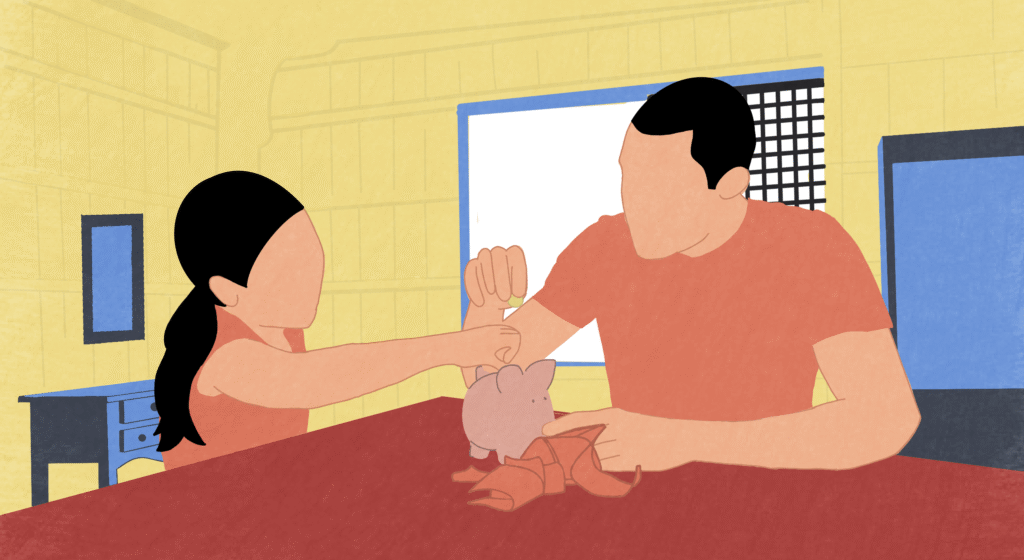
Single Fathers handle many responsibilities at once, and managing money is one of the most important things to do. Good financial planning can help you pay for daily needs, prepare for emergencies, and build a better future for your family. To understand this better, we gathered information from a mother who works as a financial advisor and a single father who is an accounting graduate and a retired procurement and supplier management professional. Their experiences as parents and knowledge through their professions helped us create simple and practical financial tips that can guide single fathers in managing their money and building a stable future for their families.
First let's talk about the basics
Before learning about saving or budgeting, it helps to understand simple things like how banks work, what a bank account is for, how money moves today, and the apps or software that can make money management easier. When you understand these basics, it becomes much simpler to manage your finances later on.
- At least one valid, government-issued ID (example: Passport, PhilSys ID, Driver’s License)
- If you don’t have one, you can apply for a government id which can be useful for a lot of things.
- Proof of Address (example: utility bill, Barangay Certificate)
- If you don’t have proof of address, you can request a barangay certificate from your barangay hall.
- Tax Identification Number (TIN) (some banks may require this depending on the account type)
- If you don’t have a TIN, you can apply for one at the nearest BIR office.
- Initial Deposit (amount varies by bank)
- If you don’t have money for initial deposit, some banks and digital banks in the Philippines offer zero initial deposit accounts. Which means you can open an account even with no money yet.
- 1×1 or 2×2 photo (required by some banks)
- Specimen Signature Card (used to verify future transactions)
- Additional Documents if needed: may include employment information, source of funds, or extra IDs depending on the bank and your residency or citizenship status
Don’t worry, you can still start saving money. There are different options depending on your needs. Saving at home safely is an option, but there are also others you can consider. You can use digital banks or e-wallets like Maya, Gcash,GoTyme Bank, Union Bank, or Tonik Bank which are easy and fast to use. You should understand how digital banks are different from traditional banks. Knowing the difference helps you choose the best option for your needs.
- The parents we interviewed shared some practical tools they use to manage money. One mentioned that the best budgeting method they use is Microsoft Excel spreadsheets. It’s simple and works like basic accounting or bookkeeping (Credit minus Debit = Income). Another suggested keeping a planner to list all monthly expenses versus monthly income, which helps track spending and plan ahead.
Budgeting, Saving, and Planning for the Future
Managing money daily is essential, especially for single parents handling everything on their own. Smart budgeting, saving, and planning can help single fathers take care of their family and secure their child’s future.
Budgeting and Financial Planning
The first step is tracking all income and expenses, including salaries, side jobs, and investments. Then, create a monthly budget based on family needs. One father we interviewed explained how he manages on a single income: he tracks every expense, cuts unnecessary spending, uses government assistance, builds an emergency fund, and sets clear financial goals.
- Track income and expenses for a few months to see where money is going.
- Pay for important things first: house, food, bills, insurance, and debts.
- Spend less on extra things
- Save money for emergencies: try to have 3–6 months of important expenses in a safe place.
- Pay off debts with high interest first.
- Use the 50/30/20 rule: 50% for needs, 30% for wants, 20% for savings
Education and Long-Term Planning
- Saving for your child’s education can feel overwhelming, but starting early and saving consistently makes a big difference. One father shared: “Don’t wait to save – start as early as possible, even before your child is born, and try to increase deposits yearly.”
Practical steps include:
- Set aside a fixed amount of money each month for your child’s education. Small amounts add up over time.
- Make your savings automatic so you don’t forget.
- Pick the right savings or insurance plan. Check carefully how it works.
- Ask family to help with planning and saving.
- Teach your child to save and give if they can.
- Friends and relatives can give money to the education fund instead of gifts.
- Talk to a financial expert for advice.
- Think about life insurance or education plans for extra protection. Check coverage, cost, and benefits.
